Rooflights and Daylight
Why consider roof lights in home design
Natural daylight has one of the greatest influences on how we experience a building. Get it right and a home feels bright, comfortable and uplifting. Get it wrong and even the most beautifully designed space can feel gloomy, uncomfortable or lacking in atmosphere.
Achieving the right balance is therefore one of the most important aspects of architectural design. Too little daylight can make rooms feel enclosed and uninviting, while too much glazing can leave spaces feeling exposed, create excessive glare and increase the risk of overheating during the summer months.
At Designscape, we believe successful daylight design is about quality, not simply quantity.
Why orientation matters
The orientation of a building has a significant influence on both the quality of daylight and the amount of solar heat it receives throughout the day. South-facing glazing generally provides the greatest levels of daylight as we know and can deliver valuable passive solar heat during the winter, provided it is carefully shaded to prevent overheating in summer. East-facing windows welcome the softer morning sun, making them well suited to kitchens and breakfast areas, while west-facing glazing captures the warmer afternoon and evening light but can be more susceptible to overheating on hot summer days. In the spring and autumn, low sun angles can require additional consideration to prevent glare but can be useful in bringing sunlight deep into the room. North-facing windows receive very little direct sunlight yet provide a wonderfully consistent, diffuse light that is ideal for artists’ studios, home offices and spaces where an even quality of light is desirable.
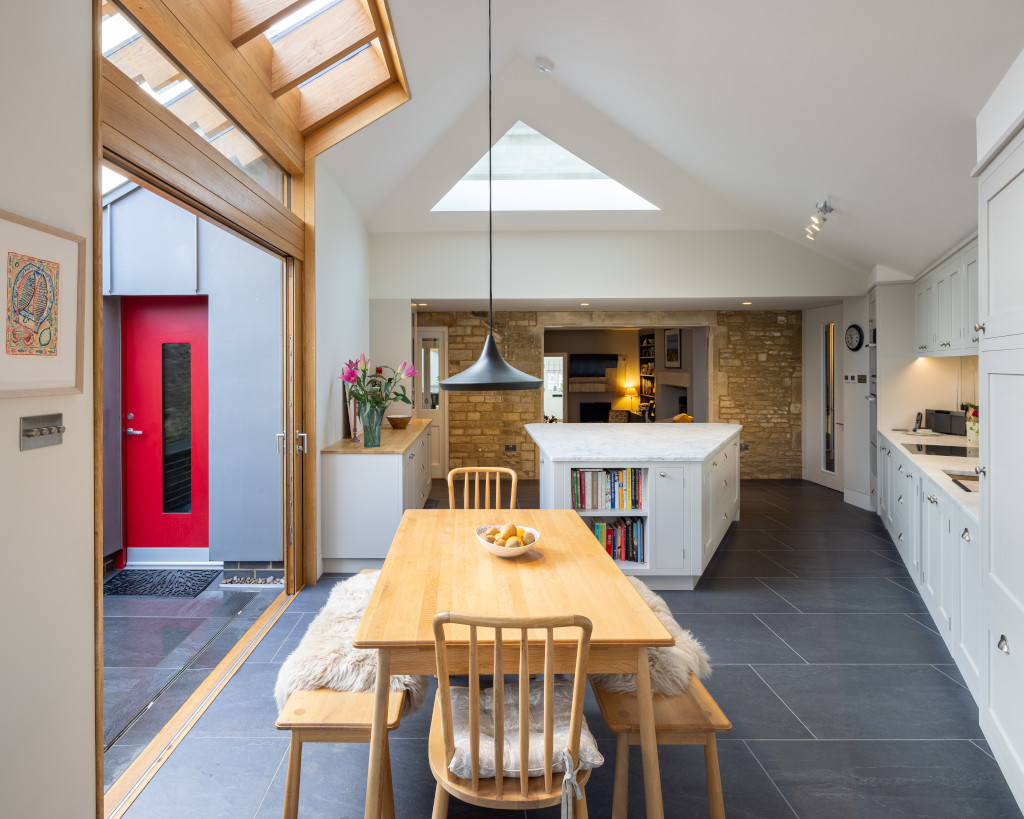
Rather than simply maximising the amount of glazing, successful design carefully considers the orientation of every window, even if the context prevents us from having free reign – often the case in urban locations. Roof lights provide an additional opportunity to bring natural light into the house.
It's not just how much light you have
The direction and distribution of daylight are just as important as the amount of it.
A room flooded with uniform light can feel surprisingly flat and clinical. Instead, the most successful spaces use daylight to create contrast, highlight important areas and bring depth to the interior.
Worktops, kitchen islands, dining tables and desks all benefit from higher levels of natural light, while softer lighting in circulation spaces and corners helps create a more comfortable and relaxing environment. By carefully considering where light enters a room, we can shape the atmosphere as well as improve its functionality.
Understanding daylight and sunlight
Although the terms are often used interchangeably, daylight and sunlight are quite different.
Daylight is the soft, diffuse light from the sky that provides comfortable, even illumination throughout the day. It is this ambient light that allows us to carry out everyday activities without artificial lighting.
Sunlight, by contrast, is direct light from the sun. It creates dramatic shadows, adds warmth during the colder months and can bring wonderful moments of animation into a building. However, excessive direct sunlight can also cause glare and overheating, particularly during the summer.
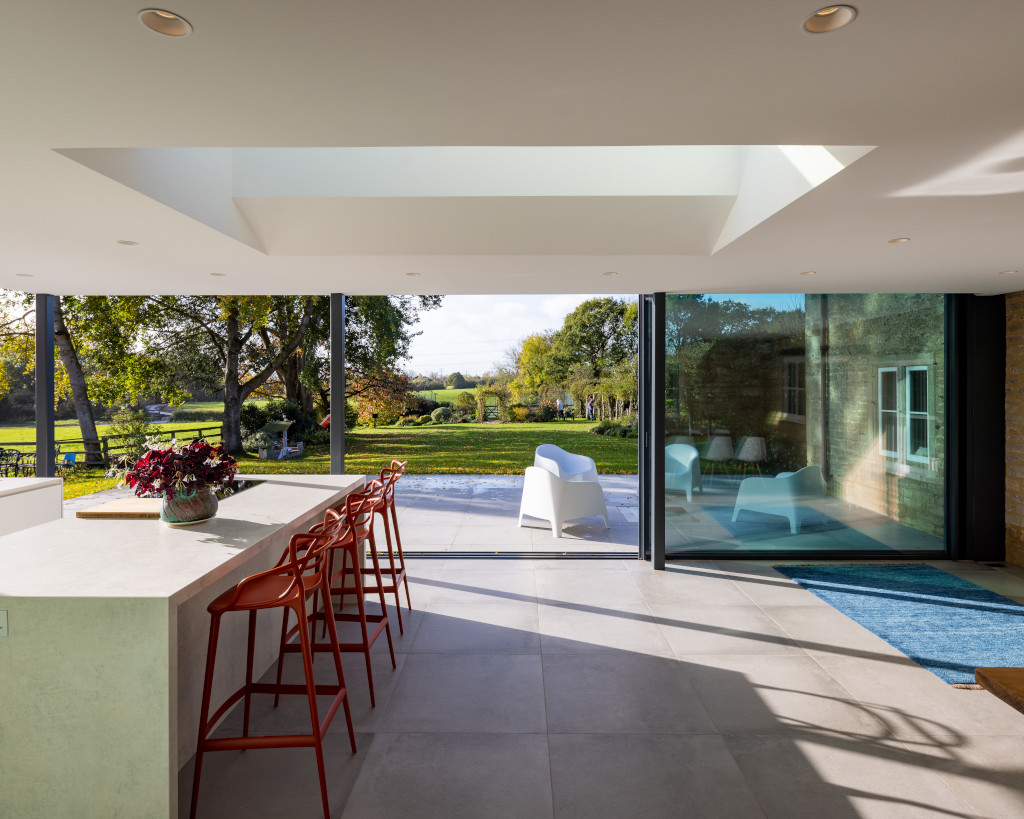
Good architectural design balances these two qualities. Solar control glazing, external canopies, brise-soleil and louvres can reduce unwanted solar gain while still allowing generous levels of natural daylight into the building.
Looking beyond windows
Windows and glazed doors remain the primary source of daylight in most homes, but they have their limitations.
As a general guide, useful daylight typically penetrates only around two to two-and-a-half times the height of the window head into a room. Beyond this distance, spaces can quickly become noticeably darker.
This is where rooflights can make a remarkable difference.
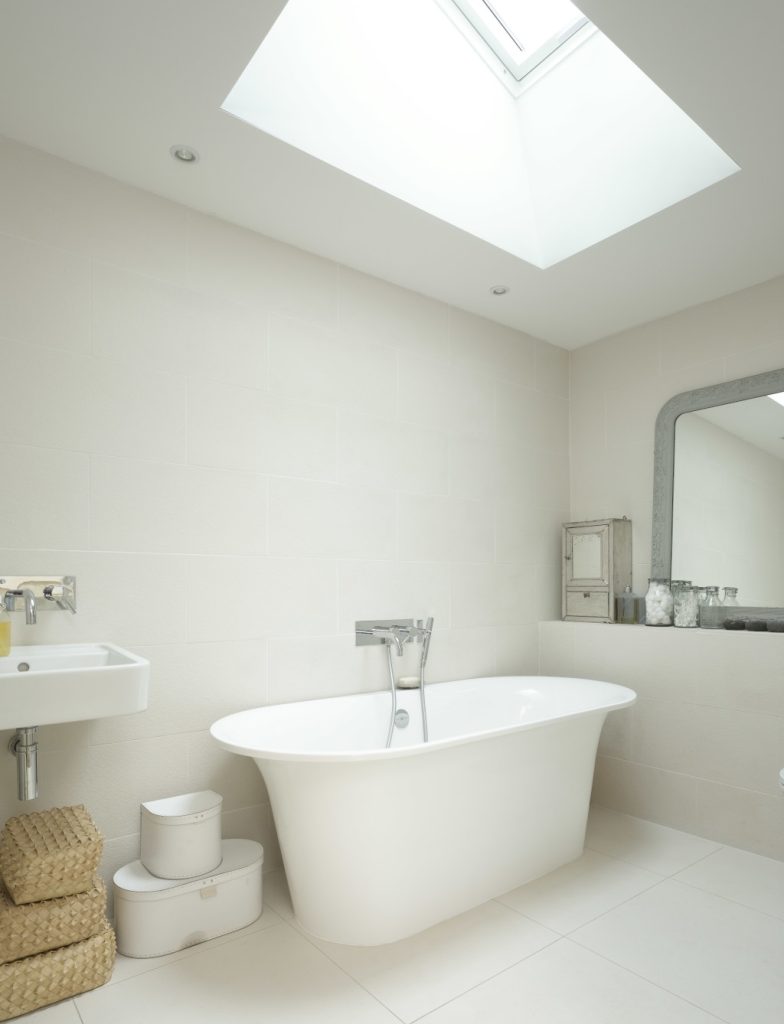
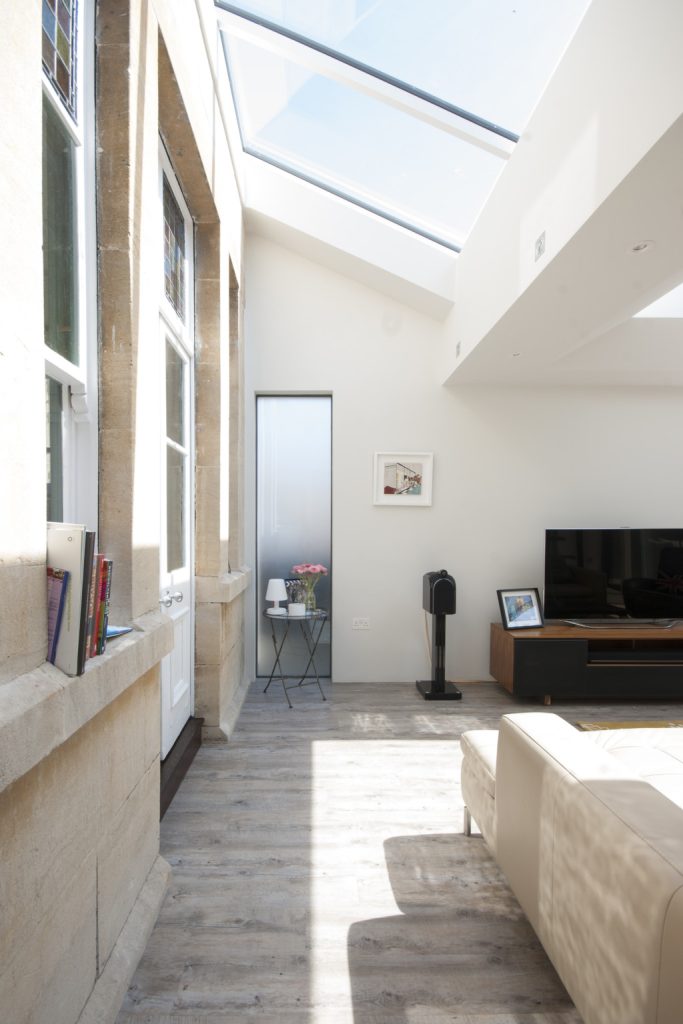
By introducing daylight from above, rooflights distribute light more evenly throughout a room, illuminate spaces where conventional windows are impractical and provide views of the sky that enhance our connection with the outdoors. They can also make larger open-plan spaces feel brighter and more balanced.
The benefits of rooflights
Whether installed in pitched or flat roofs, modern rooflights offer far more than additional daylight.
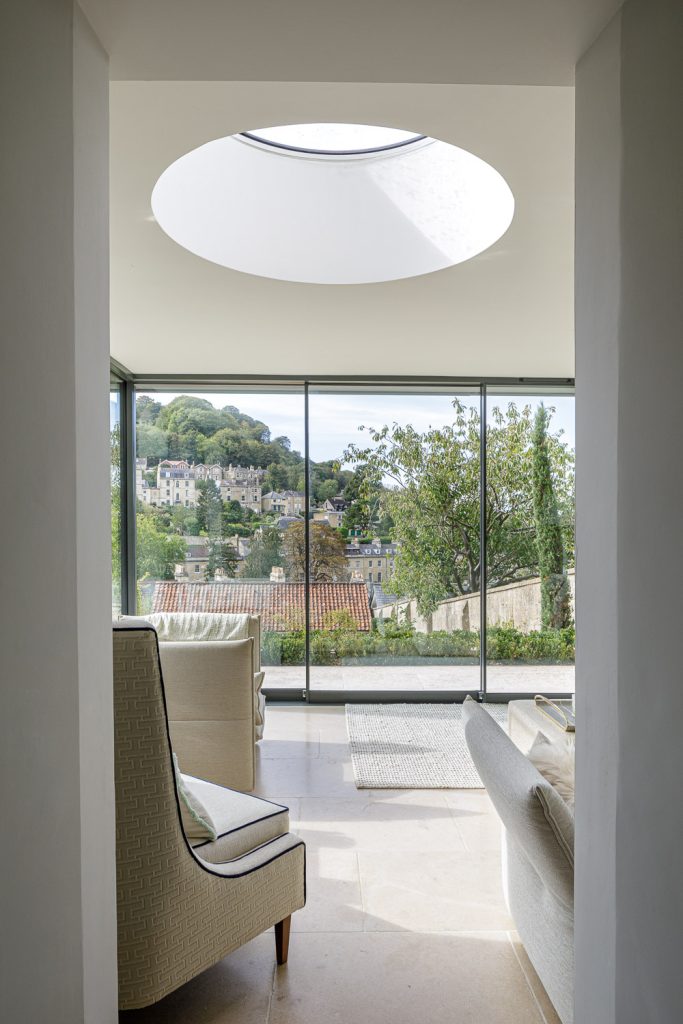
It is possible to create large roof lights with very little visible framing; these have the quality of creating the illusion that the room is open to the sky.
In all cases, the addition of a roof light increases both the physical height within the room as well as the feeling of greater headroom.
Many are available as opening units, providing natural ventilation by allowing warm, stale air to escape while drawing fresh air through the building. This can improve comfort, reduce reliance on mechanical ventilation and help regulate internal temperatures during warmer weather.
Designing the details
One aspect of rooflights that is often overlooked is the depth of the roof construction itself.
Modern roofs require substantial insulation to meet current energy efficiency standards, resulting in deeper roof build-ups than many people expect. If not carefully designed, this can create deep reveals that make rooflights feel like narrow light wells rather than generous openings to the sky.
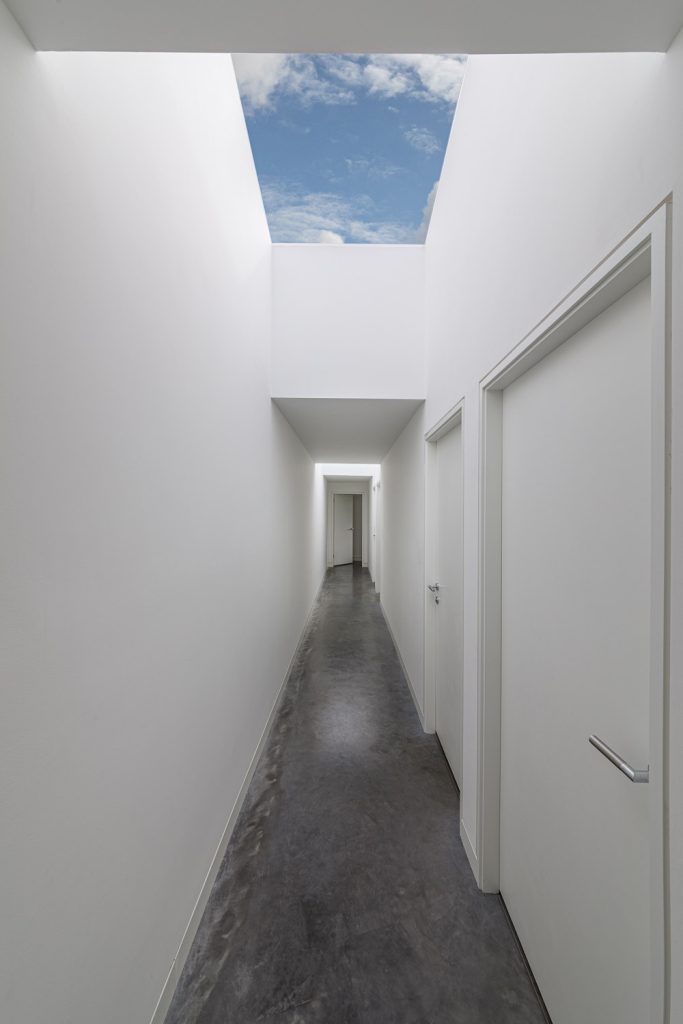
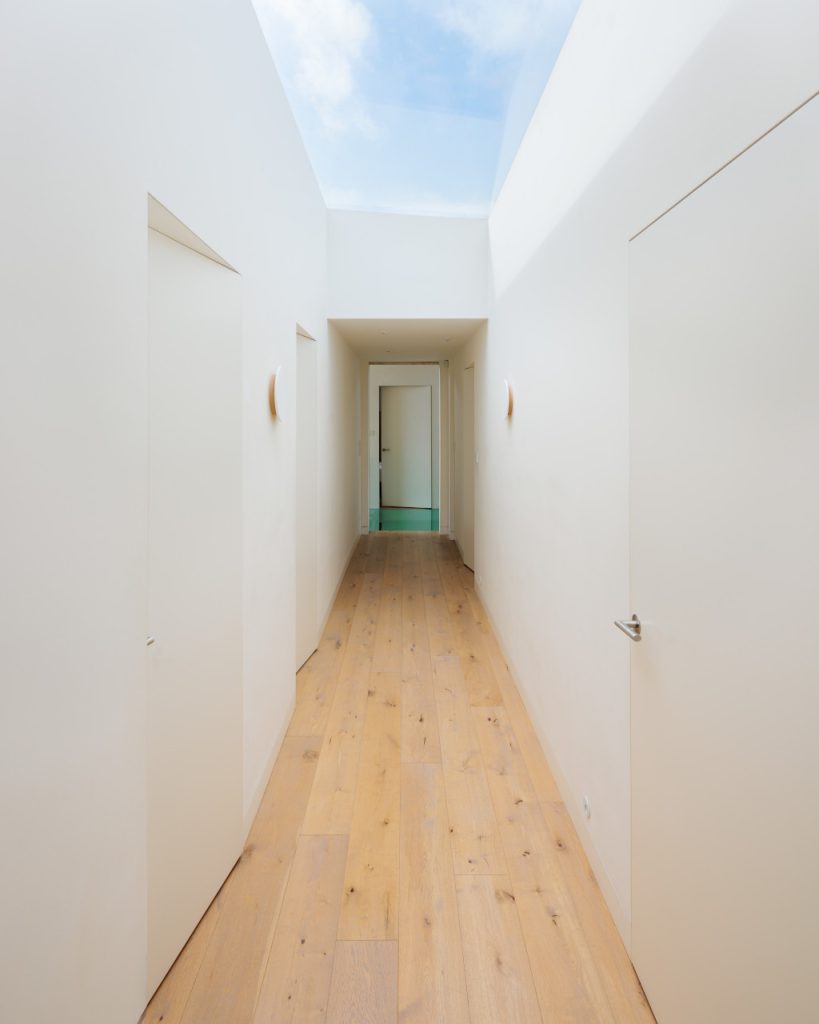
To overcome this, we have experimented with detail of the internal reveals, angling them to create a wider opening internally and even adding mirrored surfaces. These reflect both daylight and the sky deeper into the room, visually reducing the depth of the opening and creating the impression of a much slimmer roof construction. It’s a relatively simple detail that can have a surprisingly dramatic effect on the quality of the space.
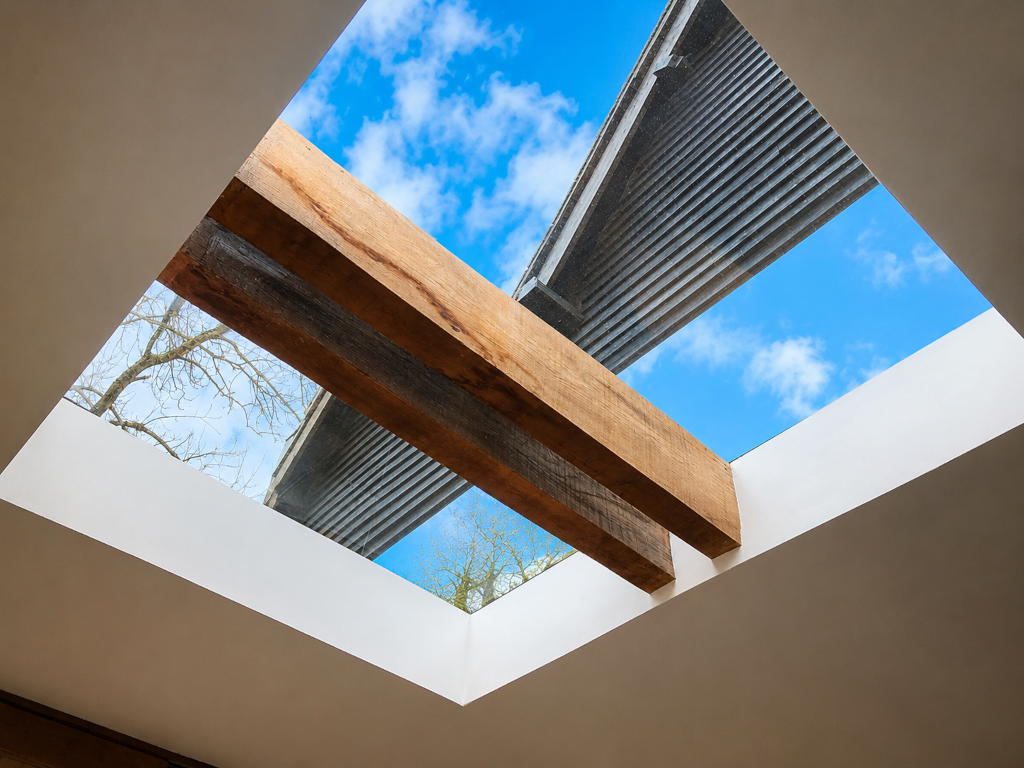
Ultimately, good daylight design is about far more than adding larger windows or more glazing. It is about understanding how light moves through a building and using it to create spaces that are comfortable, energy efficient and a pleasure to live in throughout the year.