


Material Authenticity
Why material authenticity matters in architecture
“Good design is honest.” — Dieter Rams
At Designscape, we believe materials should be used honestly. Material authenticity means understanding and celebrating the inherent qualities of a material, its strength, weight, texture, thermal performance and durability, rather than disguising it as something it is not.
It also means respecting the natural appearance of materials and, when working with existing buildings, recognising and preserving the layers of history that have accumulated over time and allowing modern additions to be recognised as such. Rather than concealing these characteristics, we believe they should become part of the architectural story.
Materials should never pretend to be something else
No material should imitate another.
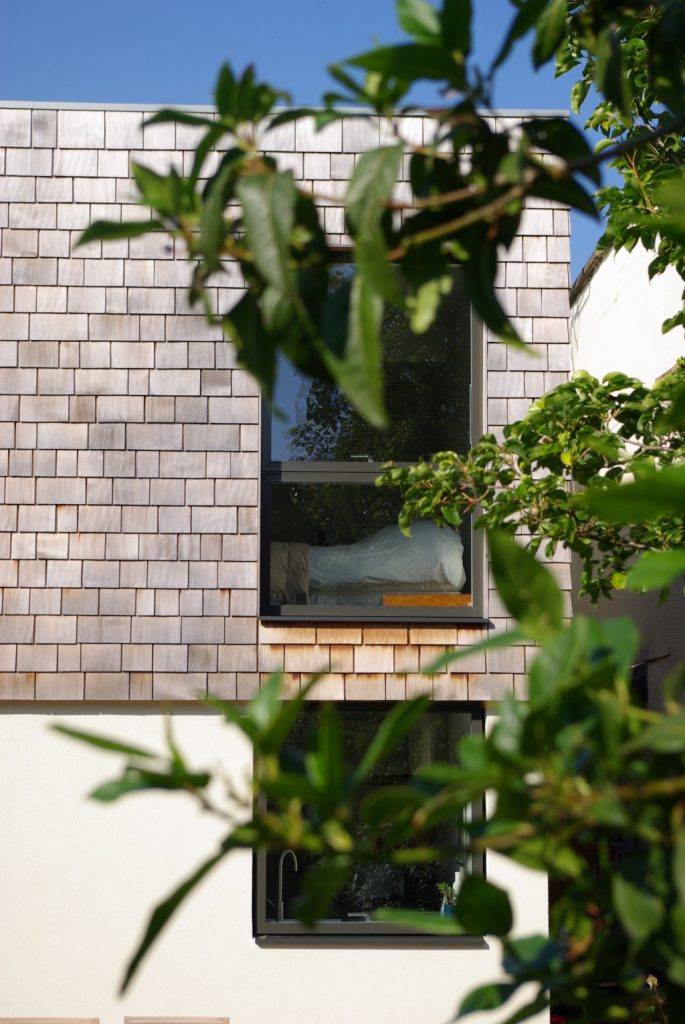
Unfortunately, many modern products are designed to mimic more traditional materials. Fibre cement cladding, for example, is frequently manufactured with an artificial timber grain. We would much rather see it expressed as smooth cement board, allowing it to celebrate its own qualities instead of imitating wood.
Plywood should celebrate its layered construction rather than be covered with a hardwood edging. Timber-frame buildings should express their construction honestly rather than disguise themselves behind masonry facades. Every material has its own beauty, and good architecture allows that character to be seen.
This does not mean buildings should be devoid of colour. While it is desirable to use materials that have their own finish, most materials require some kind of protective finish to improve durability or fire performance, and these finishes provide opportunities to introduce colour in a deliberate and carefully considered way.
The benefits of authentic materials
Designing with authentic materials offers practical, environmental and emotional benefits.
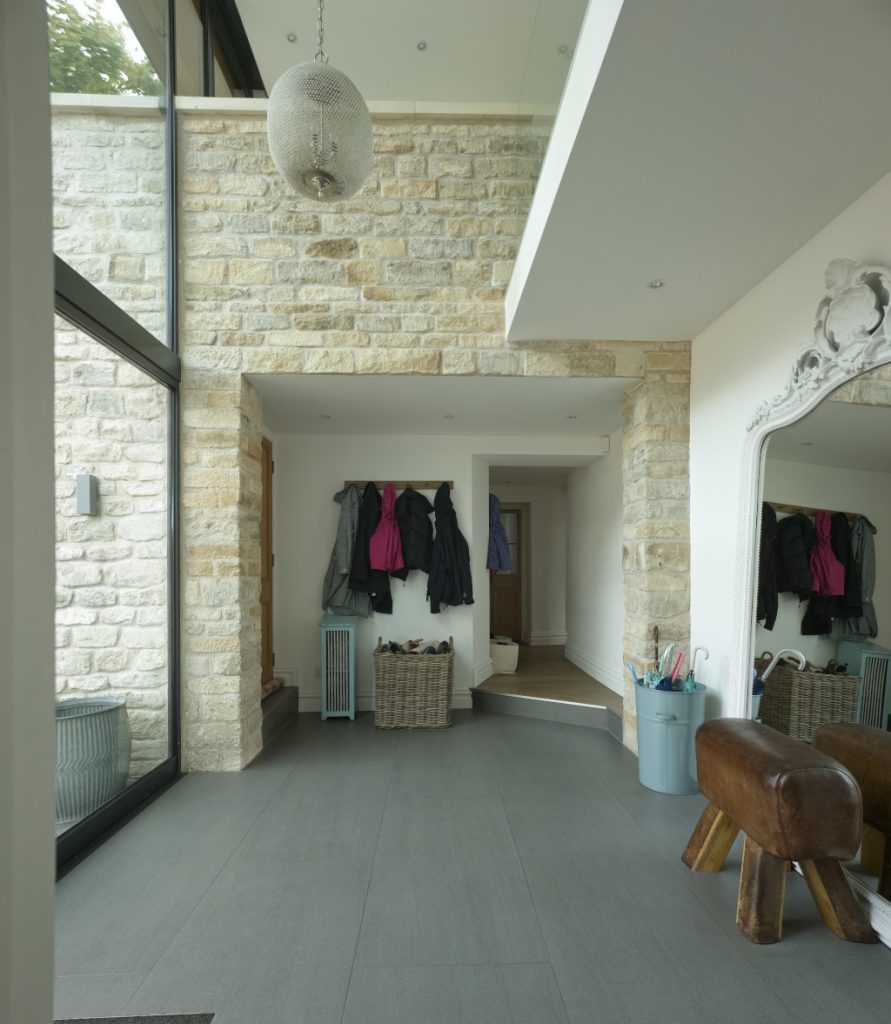
Leaving materials exposed or minimally finished can often be more economical by reducing unnecessary layers of decoration and the labour associated with them. Exposed brickwork, timber and concrete also possess a richness of texture that applied finishes rarely achieve, creating spaces that feel warm, tactile and real.
Natural materials can also contribute to healthier buildings. Products such as lime plaster help regulate moisture, while avoiding unnecessary synthetic finishes can improve indoor air quality. The result is a building that not only looks better but often performs better too.
Let materials do what they do best
Every material has qualities that should influence how it is used.
Exposed masonry provides permanence and thermal mass. Timber offers warmth, flexibility and excellent structural performance. Natural slate weathers beautifully, while concrete can help moderate internal temperatures by absorbing and releasing heat throughout the day.
By understanding these inherent characteristics, architecture becomes more durable, efficient and expressive.
Authenticity doesn't mean perfection
Natural materials are not without compromise.
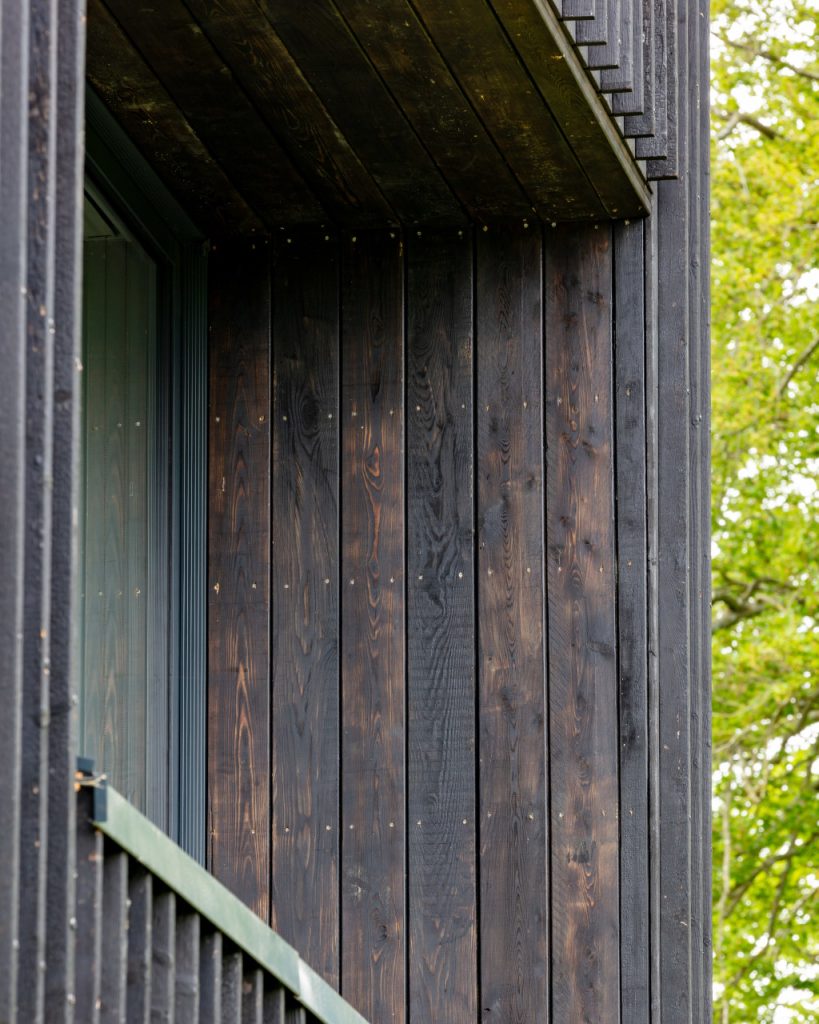
They often display variation in colour, texture and grain, and they may require more maintenance than some manufactured alternatives. Natural materials often develop their own patina over time, aging gracefully rather than deteriorating, which can be the case with applied finishes.
For us, these variations are not flaws but part of what gives a building individuality and character.
Celebrating craftsmanship
Using natural materials frequently relies on skilled local craftspeople rather than imported factory-made systems. This not only supports traditional building skills and local economies but can also reduce the environmental impact associated with transporting finished products over long distances.
The result is architecture that reflects both its location and the people who built it.
The importance of visual weight
Authenticity extends beyond the material itself to how materials are composed.
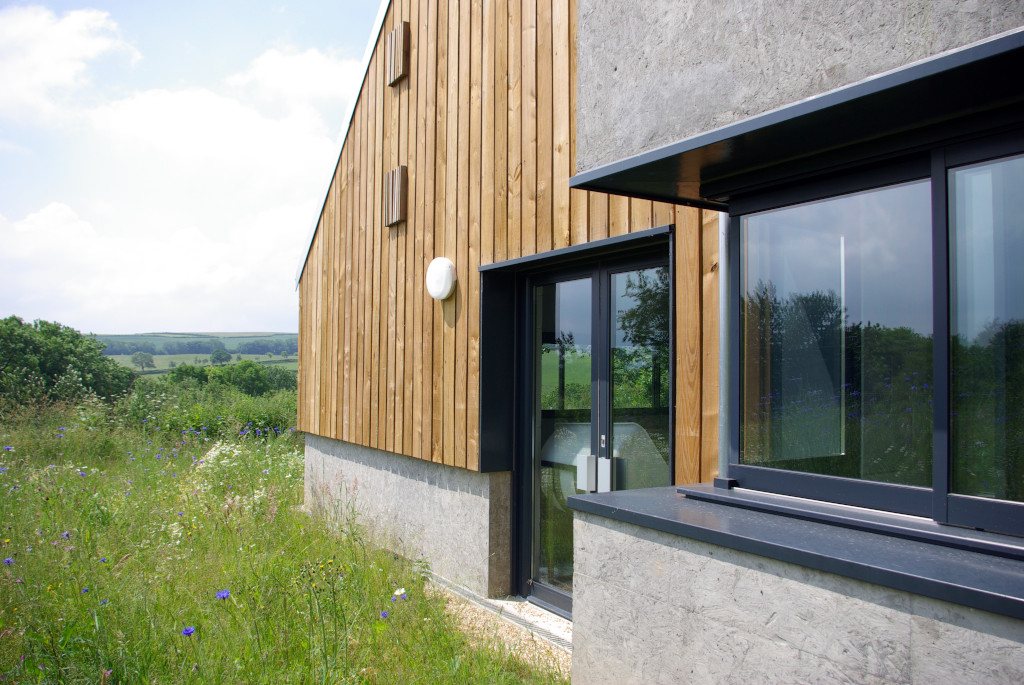
Heavier materials are naturally more appropriate at the base of a building, supporting lighter materials above. Masonry supporting timber cladding feels balanced and logical because it reflects how we instinctively understand weight and structure. Reversing this arrangement can appear visually uncomfortable unless there is a compelling architectural reason.
Ultimately, material authenticity is about honesty. When materials are allowed to express their true character, buildings become richer, more enduring and more meaningful. Rather than disguising what a building is made from, we believe great architecture celebrates it.
If you’re planning a new home, extension or renovation and would like to explore how carefully chosen materials can shape the character and longevity of your project, we’d love to hear from you.